
When Kevin Nguyen surveys a new casino lobby, his founder-level QA instincts kick in – small print first. Sic bo RTP sits quietly on a three-dice table while louder pokies dominate the page. The math is real and published; the lobby’s job is to surface it without burying it. That’s where most operators stumble. A solid game lobby treats return-to-player figures the way a Brisbane croupier treats chips – as private currency that must always be honoured.
Where Sic Bo RTP Lives in a Game Catalog
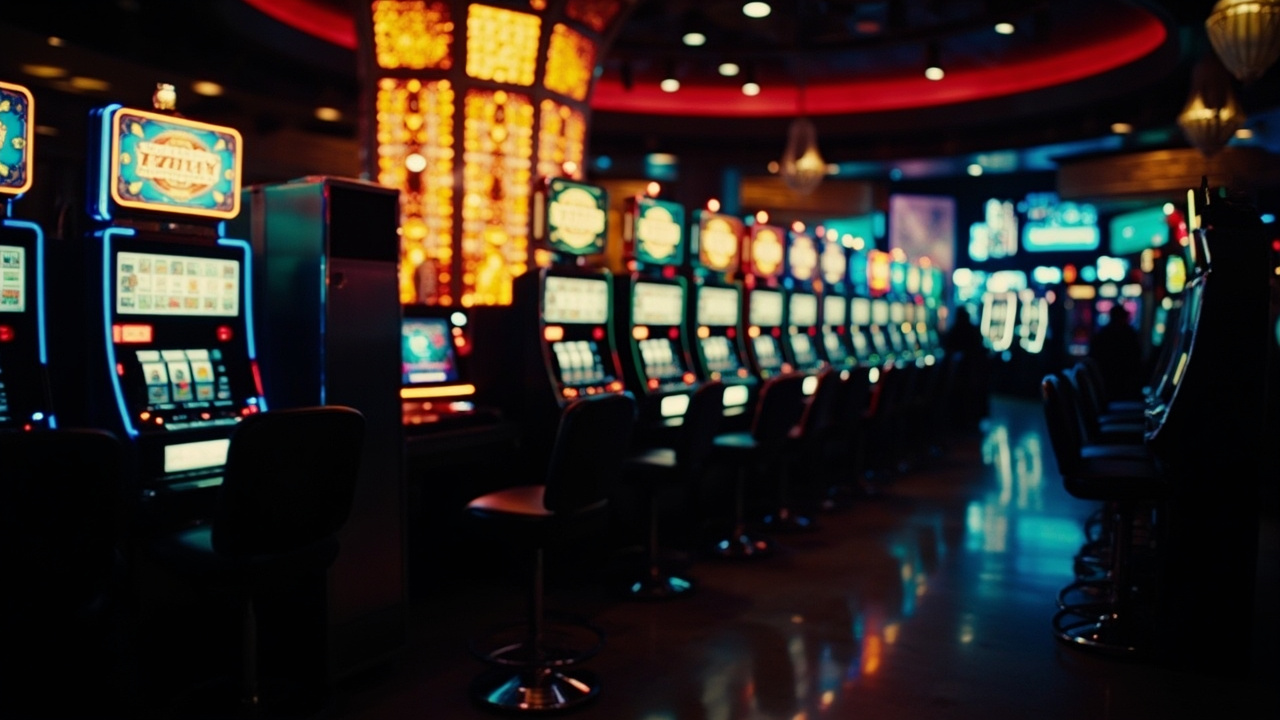
A serious game mix isn’t measured by raw count alone; it’s measured by what the lobby actually shows on first load. Sic bo typically lives in the table games folder, sometimes tucked behind a “dice games” tab, occasionally pushed into an “Asia” collection that lumps it with baccarat and dragon tiger. From a QA release-readiness perspective, that placement tells you a lot. If a lobby has invested in proper filtering – volatility, provider, feature buy, RTP band – you’ll usually find a dedicated table games rail with sic bo variants from multiple suppliers. If not, the table sits one filter click away from being invisible.
A well-built lobby I rate highly, like https://gonzo-quest-au.com/, demonstrates how Australian-focused operators can structure their tables without sacrificing search depth. Strong catalogues offer classic sic bo, Grand Hazard, and Chuck-a-Luck from at least two providers – often Evolution or Pragmatic Play alongside a boutique studio. RTP figures should sit in the info panel, usually around 97.22% on standard small/big bets down toward 92% on triple wagers. A lobby that hides those numbers behind three menus is signalling it isn’t prioritising the player.
Providers, Search, and What the Lobby Reveals
Kevin runs a quick judgement call whenever he trials a new client: open the search bar, type “sic bo”, and count clicks. If the result appears in two clicks or fewer, with provider logos visible and an RTP badge on hover, the lobby is doing its job. If you’re digging through a “more games” footer link on a mobile viewport, that’s a different verdict entirely. Provider diversity matters here too – a single live dealer supplier for sic bo means less variation in side wager rules and table limits, which narrows choice without players realising why.
Lobby organisation is where discovery succeeds or fails. Strong catalogues use provider tabs, RTP bands (94-96%, 96-97%, 97%+), and curated rails like “new this week” or “high RTP”. Queensland players logging on between the Gold Coast glitter and a quiet Tuesday arvo should see the same lobby structure regardless of device. The same provider feeds the same RNG behind the scenes, but a lobby that filters by volatility or features gives players a path to the variant that suits their bankroll. That’s the difference, I’d reckon, between a stocked shelf and a curated one.
Live Dealer Tables and the Strategy Question
Live dealer sic bo deserves its own treatment because it complicates the RTP picture. Online casino lobbies often split live tables into a separate vertical, sometimes with its own lobby entirely. Pragmatic Play Live and Evolution both run sic bo with published RTPs hovering around 95-97% on the main bets, but side bets and triple-specific payouts can drop into the low 90s. Kevin has flagged multiple QA cases where a live lobby quietly buried the side-bet RTP under a “game rules” tab – technically compliant, practically opaque.
This is also where the “games of chance” framing falls over. AI-driven strategy research has shown disciplined betting patterns and table selection can shift outcomes in games written off as pure luck. Sic bo is no exception – knowing which bets carry the best RTP, and which live versions trim the house edge, is itself a form of edge. Operators that respect this surface the figures clearly. The UK Gambling Commission requires licensed British operators to publish return-to-player figures on every game, which sets a baseline Australian players browsing offshore lobbies should reasonably expect. Recent coverage in the Chronicle’s industry section has noted that transparency is becoming a genuine competitive lever.
Where Even Strong Lobbies Reach Their Limits
Even tidy lobbies have trade-offs. Filtering by RTP band helps until a player realises the top band contains only a handful of games – then the filter becomes a ceiling. Provider deals dictate availability, regional licensing shapes visibility, and payment flow affects which tables surface. Some Australian-facing lobbies throttle live dealer games until PayID or BPAY verification clears, and card blocks occasionally drop tables mid-session without explanation.
There’s also the loyalty overlay. VIP players often see a different lobby on the same platform – higher limits, higher RTP variants, exclusive live rooms. Tiered experiences mirror how the AFL’s official site splits free match streams behind a membership wall, and the same logic applies to high-limit live sic bo rooms that only appear for VIP-tier accounts. From Kevin’s QA seat, that’s a legitimate structure, but the lobby you see on a quiet arvo in Townsville isn’t quite the lobby a high-roller sees. Transparency works both ways: surface the RTP, the limits, the conditions, and the lobby does its job. Bury any of them, and even a busy-as catalogue can’t carry the trust.
A casino lobby is a working catalogue, not a poster. Sic bo RTP is one of the cleanest tests of whether that catalogue is curated or merely stocked. Filter depth, provider logos, RTP badges, and honest live tables tell you more about an operator than any welcome banner. So what’s the first thing you check when a new casino lobby loads on your phone – the bonus offer, or the small print on the table?